Restaurants
Review management for restaurants, where one bad Saturday travels fastest
A hotel guest decides weeks ahead. A diner decides in the street, on a phone, in about ninety seconds.
Keith Matthew Borg
Co-founder, Revify9 min read
Most advice about managing reviews is written for hotels. It assumes a booking window measured in weeks, a guest who researches, and platforms like Booking.com that only accept reviews from confirmed stays. Almost none of that describes a restaurant.
Restaurants run on a different clock
A hotel guest books in March for August. A diner is standing on a street in Sliema at half past seven, hungry, with two other options within sight and a phone in their hand. The decision takes about ninety seconds and it is made almost entirely on what Google shows.
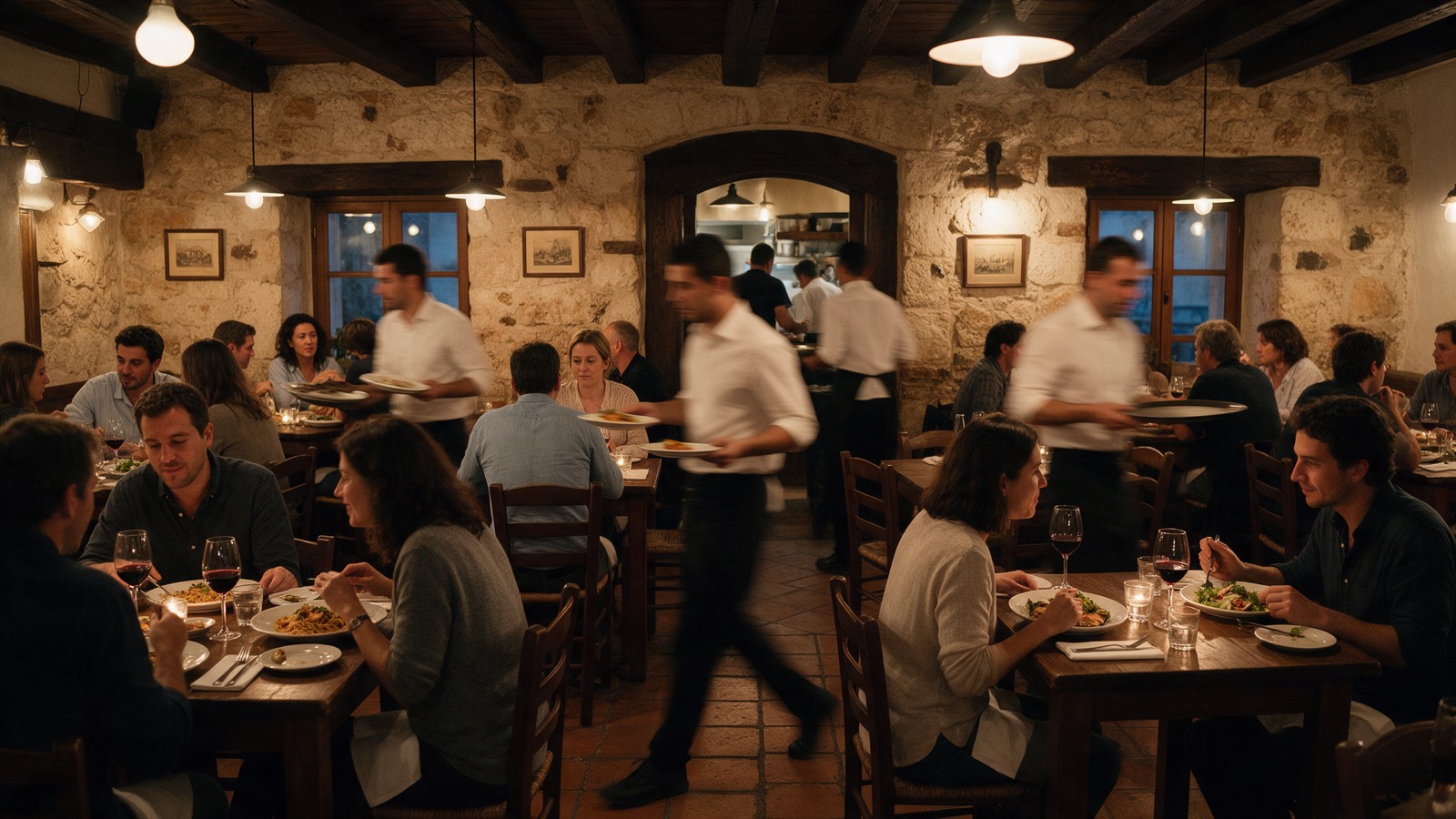
Three consequences follow, and they are what make restaurant review management a different job:
- Recency dominates. A bad run three months ago barely registers. A bad run last week is the first thing a diner sees, because the most recent reviews sit at the top.
- Volume arrives in bursts. A restaurant does two hundred covers on Saturday and forty on Tuesday. One understaffed Saturday can produce more reviews than the fortnight around it.
- Recovery is faster. The same speed that makes a bad week visible makes a good month visible. Hotels wait a season to see a change; restaurants often see it inside a few weeks.
Where a restaurant’s reputation actually lives
The platform mix is genuinely different, and effort spent in the wrong place is wasted.
| Platform | Weight for a restaurant | Why |
|---|---|---|
| Dominant | Feeds Maps and the local pack, which is where 'restaurants near me' is decided | |
| High | Comments and DMs asking about bookings, allergens, opening hours | |
| Moderate | Local audiences, recommendations, and event enquiries | |
| TripAdvisor | Varies | Significant in tourist areas, close to irrelevant for a neighbourhood spot |
| Booking.com, Expedia | Only via a hotel | Relevant when the restaurant sits inside a property |
If you do one thing, do Google properly. It is where the decision happens, and it is the platform whose rating is quoted everywhere else. The mechanics of collecting reviews there, including the policies that get listings penalised, are in how to get more Google reviews.
The comments nobody counts as reviews
A restaurant’s Instagram comments are not reviews, carry no star rating, and never appear in any reputation report. They are also, frequently, the most commercially urgent messages the business receives.
“Are you open on Monday?” is a booking. “Do you do anything gluten free?” is a table of four deciding between you and somewhere that answered. These decay in hours, not days, and they sit in an app that whoever posts the photos happens to have on their phone.
That is the argument for treating social comments as part of the same queue rather than as marketing. A comment left unanswered for two days has already cost whatever it was going to cost.
The four complaints every restaurant gets
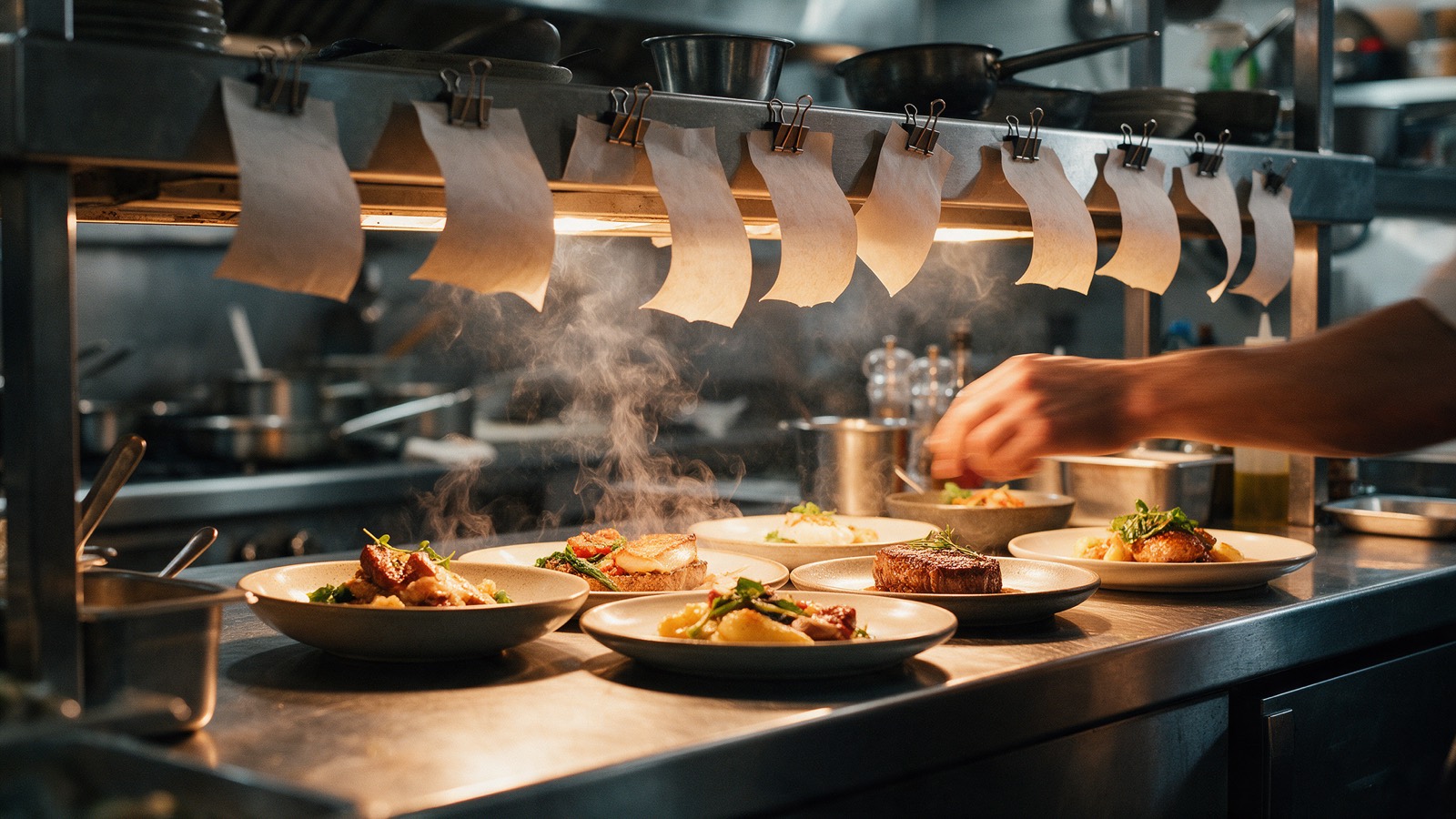
Read a few hundred restaurant reviews and the same four themes account for most of the negative ones. Knowing which is yours is more useful than the average.
1. Slow service
The most common by a distance, and almost always a shift problem rather than a people problem. If the complaints cluster on Friday and Saturday evenings, the rota is the cause and no amount of training fixes it.
2. The bill
Rarely about the total. Usually about surprise: a cover charge nobody mentioned, a service charge applied without warning, a special whose price was never said out loud. This is the cheapest of the four to fix, because it is a scripting problem.
3. Noise and seating
Tables too close, music too loud, a draught by the door. Structural, expensive, and worth knowing whether it actually costs you bookings before spending anything on it.
4. One dish
Frequently a single item generating a disproportionate share of complaints while the rest of the menu scores well. This is the finding that most justifies reading reviews by theme instead of by score, and it is invisible in a star average. Aspect level sentiment analysis exists more or less for this.
Asking for reviews without annoying the table
Restaurants have one advantage hotels do not: the guest is physically present, pleased, and holding a phone. The failure is almost never refusal, it is that nobody asks.
- Put a QR code where the bill lands. On the folder, the receipt, or a small card. One scan should open the Google review box, not your website.
- Offer it to every table. Selecting the tables that looked happy is review gating, which breaches Google policy and is exactly the habit that gets a listing’s reviews removed in a sweep.
- Give staff one sentence. Not a script, one sentence, and the card in their hand. Asking is a skill nobody has until somebody shows them once.
- Never trade anything for it. No free drink, no discount, no prize draw. Prohibited even when you ask for an honest review rather than a good one.
Closing the gap between the floor and the page
The thing that separates restaurants that manage this well is not software, it is that somebody reads the reviews who can actually change the rota.
A complaint about slow service is a staffing decision. A complaint about a dish is a kitchen decision. A complaint about the bill is a front of house briefing. None of those are marketing tasks, and all of them get filed as marketing tasks when reviews are somebody’s afternoon job rather than part of the service conversation.
The practical version is short. Ten minutes on a weekday morning, with every platform in one list. Answer what arrived over the weekend, using the structure in how to reply to negative reviews. Once a month, read by theme rather than by date and pick the one recurring thing worth fixing. That is the entire discipline, and it is more than most restaurants do.
If you would rather not do it across four separate logins, that is what Revify is for, and the trial runs for fourteen days without a card.
Common questions
Which review platforms matter most for restaurants?
Google first, by a distance, because it feeds Maps and the local pack where most restaurant decisions are made. After that it is social comments on Instagram and Facebook, then TripAdvisor in tourist areas. Booking.com and Expedia matter for hotel restaurants only, through the parent property.
How do restaurants get more Google reviews?
A QR code on the table or the receipt, offered to every table rather than selected ones, linking to the Google review box directly. The moment to ask is while the diner is still seated and pleased, not at the door. Incentives of any kind breach Google policy and can get reviews removed in bulk.
Should a restaurant reply to reviews about food?
Yes, and with specifics rather than apologies. A reply that names the dish and says what changed reads as a kitchen that pays attention. Avoid arguing about whether a dish is meant to taste that way, even when you are right, because the reader cannot adjudicate and will side with the diner by default.
How quickly do restaurant reviews affect bookings?
Faster than hotel reviews. Restaurant decisions are often made the same day, on a phone, from the Google listing, so a recent run of complaints about slow service influences tonight rather than next season. That is also why recovery is quicker: a few weeks of better recent reviews moves the visible picture.